Financial Term

Profile

"The Financial Terms column will provide you with explanations of commonly used financial terms in the finance industry, such as PMI, CPI, inflation, and more, enabling you to quickly understand and apply these financial terms. Each financial term comes with a simple example to make complex knowledge easier to comprehend!

Learn a new piece of financial knowledge every day and let's start learning!"

For education and information purposes only. This is not an offer, solicitation, recommendation, or financial product advice. Capital at risk and past performance is not indicative of future results. Any information provided is general in nature and does not consider your objectives, financial situation, or needs.

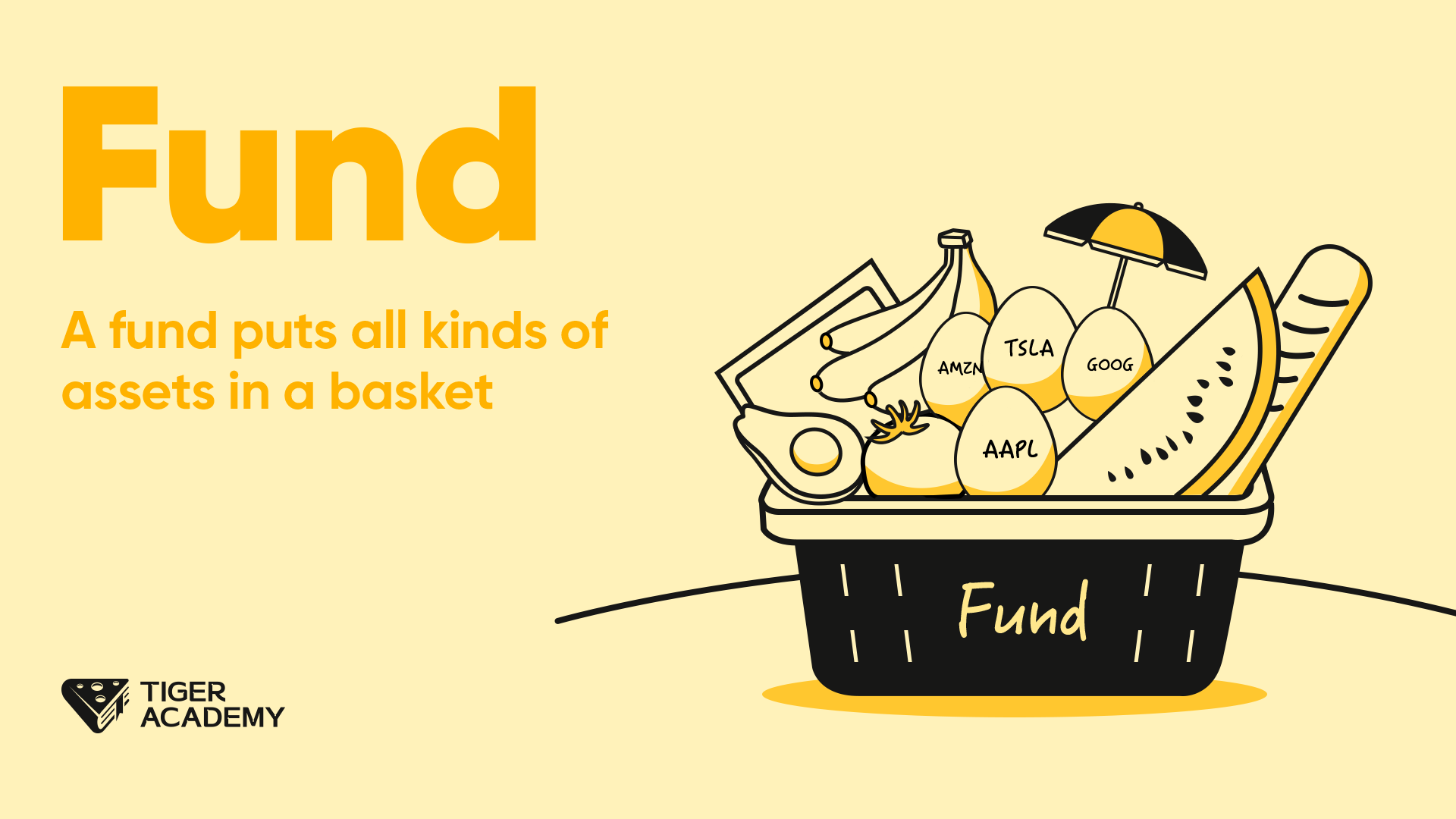
Day2.Financial term|What is a fund ?

Fund refers to an investment product in which a fund company collects the money of many investors and makes a variety of investments to achieve returns according to certain rules. The profits or risks obtained by the investment are shared by the investors in proportion to their investment.

So with a fund, you give your money to a fund manager who helps you divide your investment assets.

What are the specific funds?

In terms of purchase, funds are divided into public and private funds.

Public funds are funds that anyone can buy.

Private equity funds typically have high entry barriers, requiring investors to have hundreds of thousands or even millions of dollars in capital.

Thus, these are funds with a public offering. Depending on the investment object, the fund classification is generally divided into: currency funds, equity funds, bond funds, mixed funds and index funds.

Currency funds: simply put, the investment object is a currency. Such funds yield less, but usually slightly more than banks; money funds are also low-risk and flexible.

Equity fund: a fund that invests more than 80% of its capital in stocks. The benefits and risks of such funds are among the highest among all types of funds.

Bond fund: refers to a fund that invests more than 80% of its capital in bonds.

Hybrid funds: these funds invest in a variety of investment objects, e.g. currencies, stocks, bonds, etc.

Index funds: in the stock markets in the US and Hong Kong, there are some common indices, such as the S&P 500 and the NASDAQ 100 Index funds are funds that track these indices.

The funds essentially give money to professional individuals or institutions whose income depends on them. In short, collective investment, income sharing, risk sharing.

Contents

Day1.What is a stock ?
Day2.What is a fund ?
Day3.What is an ETF ?
Day4.What is an Reits ?
Day5.What is a Options ?
Day6.What is Futures ?
Day7.What is Call options and Put options ?
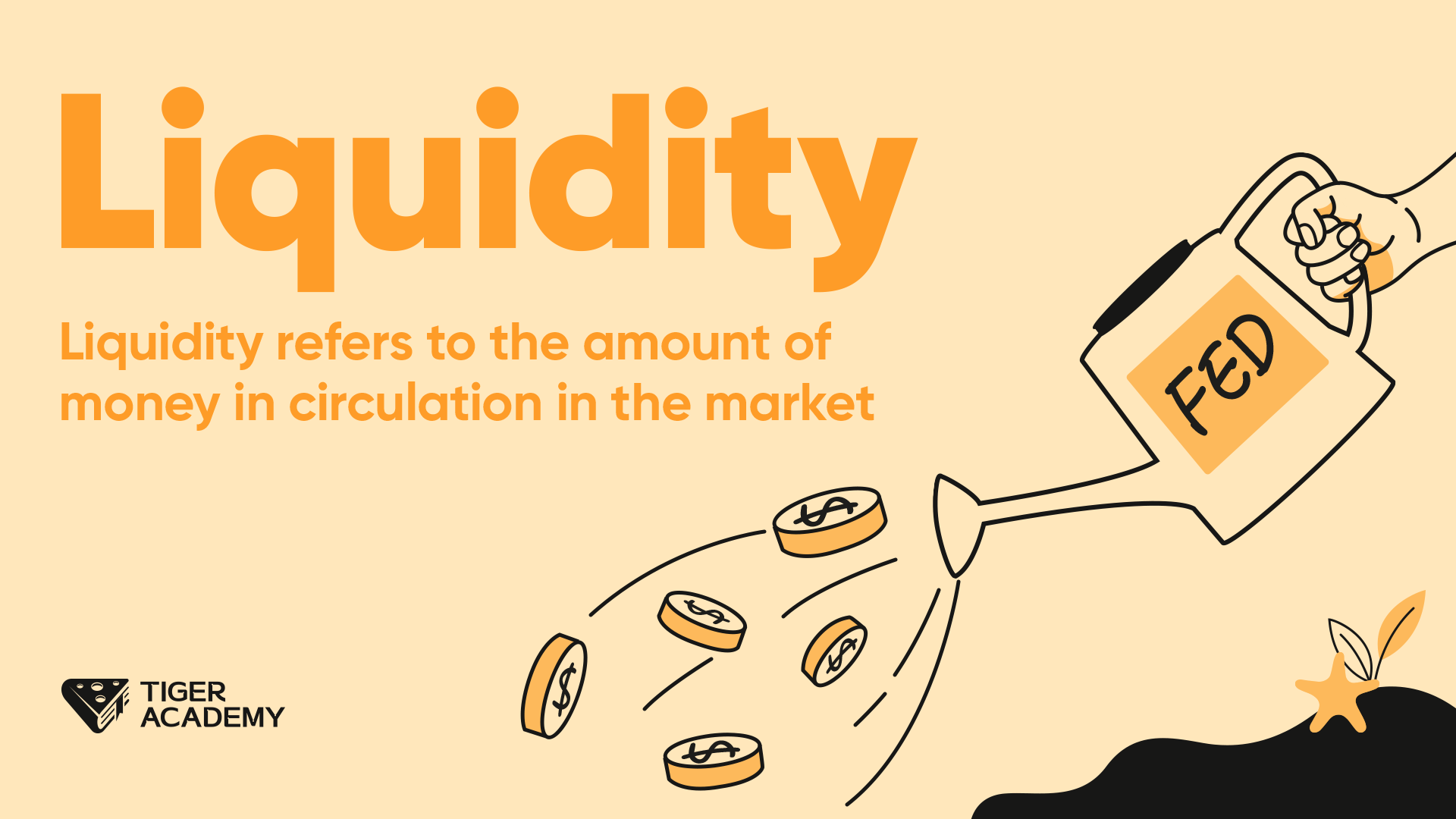
Day8.What is liquidity
Day9.What is the balance sheet
Day10.What is the cash flow statement?
Day11.What is the Income statement?
Day12.What is DuPont analysis?
Day47. What is the IRR?
Day13.What is the PMI?
Day14.What is the CPI & PPI?
Day15.What is the IPO?
Day16.What is the Nasdaq Composite Index?
Day17.What is the S&P 500 index?
Day18.What is Dow Jones Industrial Average?
Day19.What is Long and short?
Day20.What is Bull market and Bear market?
Day21.P/E and P/B
Day21.P/E and P/B
Day21.P/E and P/B
Day22.Money market
Day22.Money market
Day22.Money market
Day23.RRR cuts and cut rates
Day24.Monetary policy
Day25.Financial deficit
Day26.Opportunity cost
Day27.Sharpe ratio
Day27.Sharpe ratio
Day27.Sharpe ratio
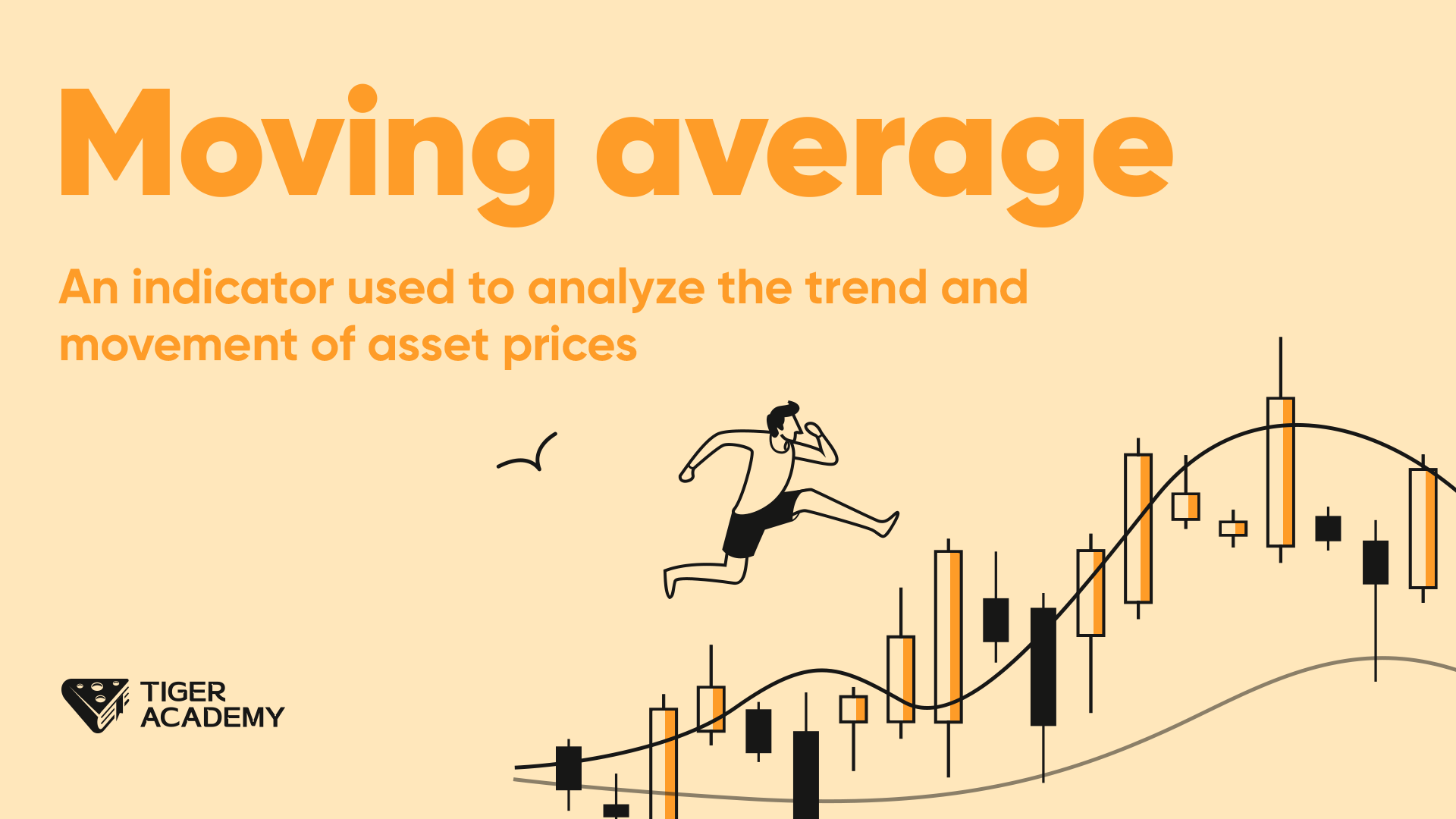
Day28.Moving average
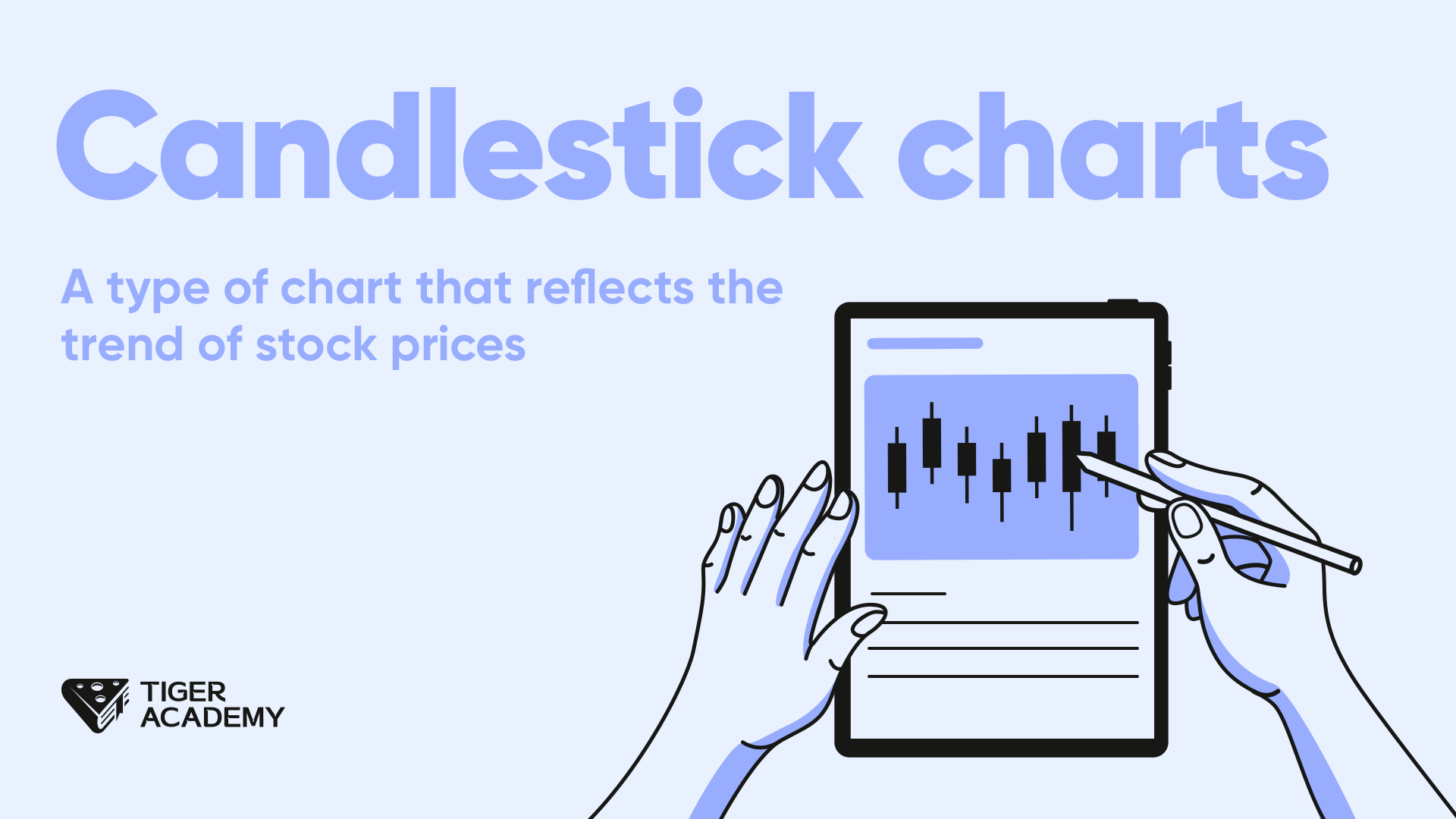
Day29.Candlestick charts
Day30.CAGR
Day30.CAGR
Day30.CAGR
Day31.ROA
Day31.ROA
Day31.ROA
Day32.ROE
Day32.ROE
Day32.ROE
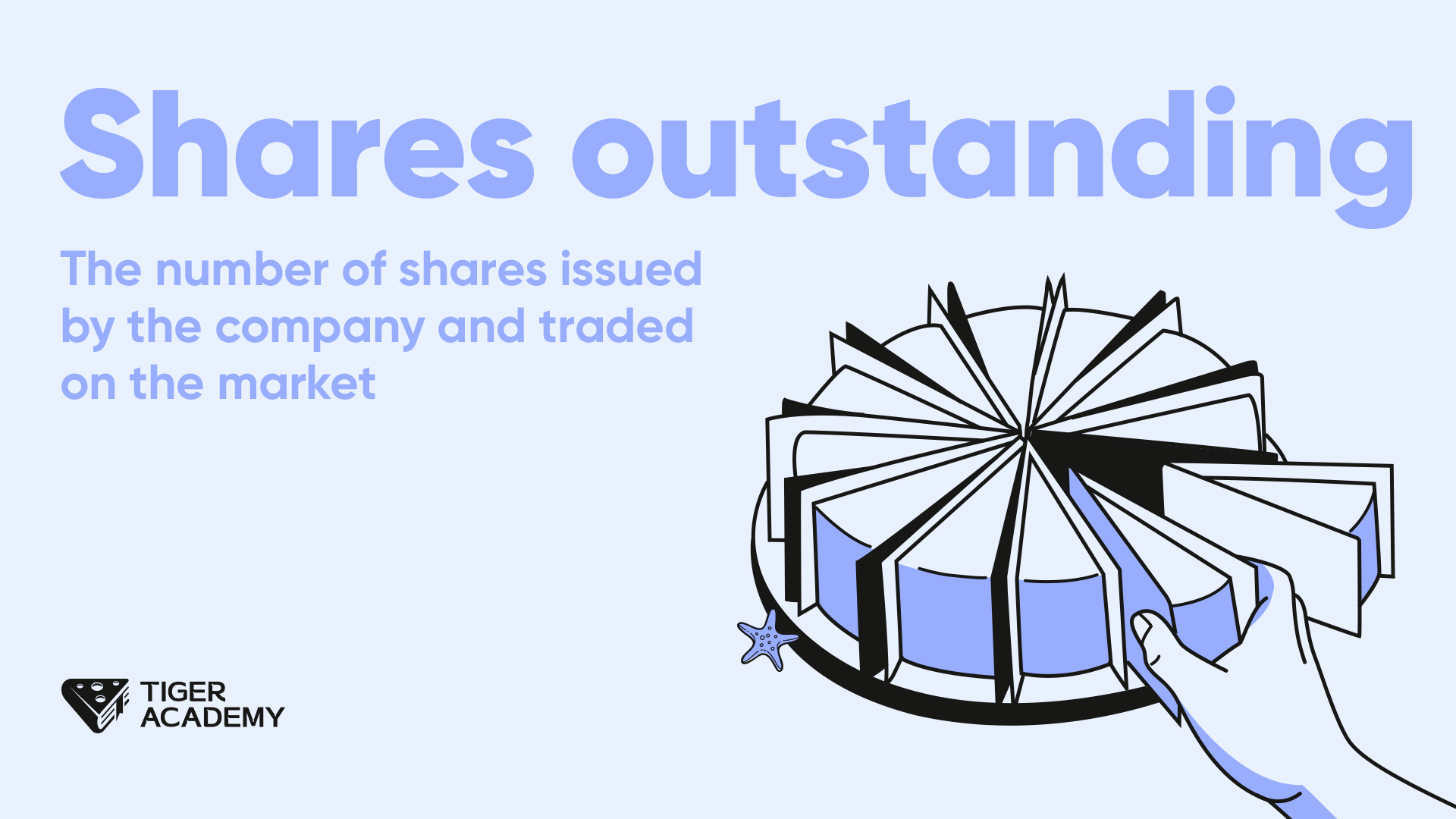
Day33.Shares outstanding
Day34.Turnover rate
Day34.Turnover rate
Day34.Turnover rate
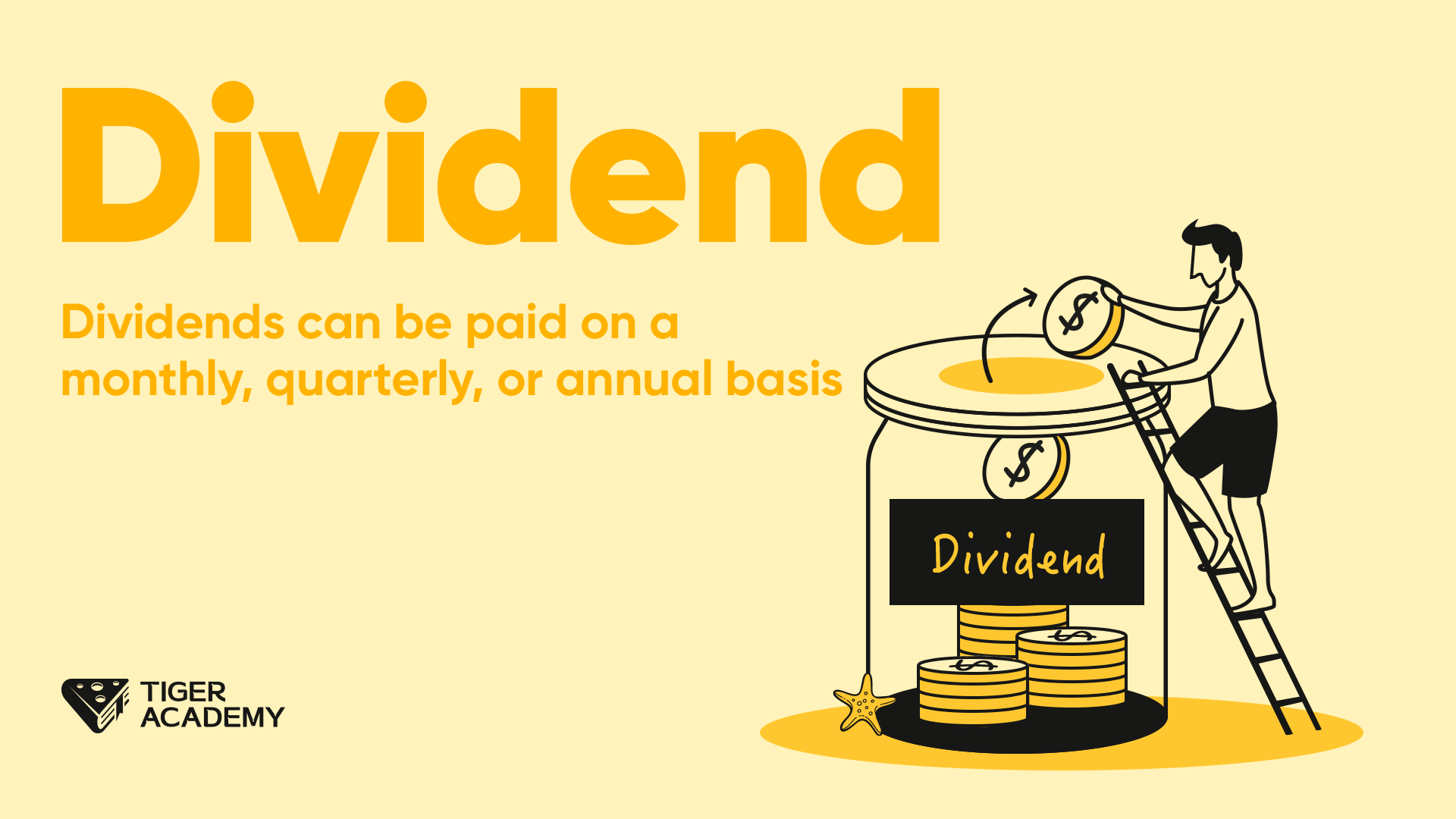
Day35.Dividend
Day35.Dividend
Day35.Dividend
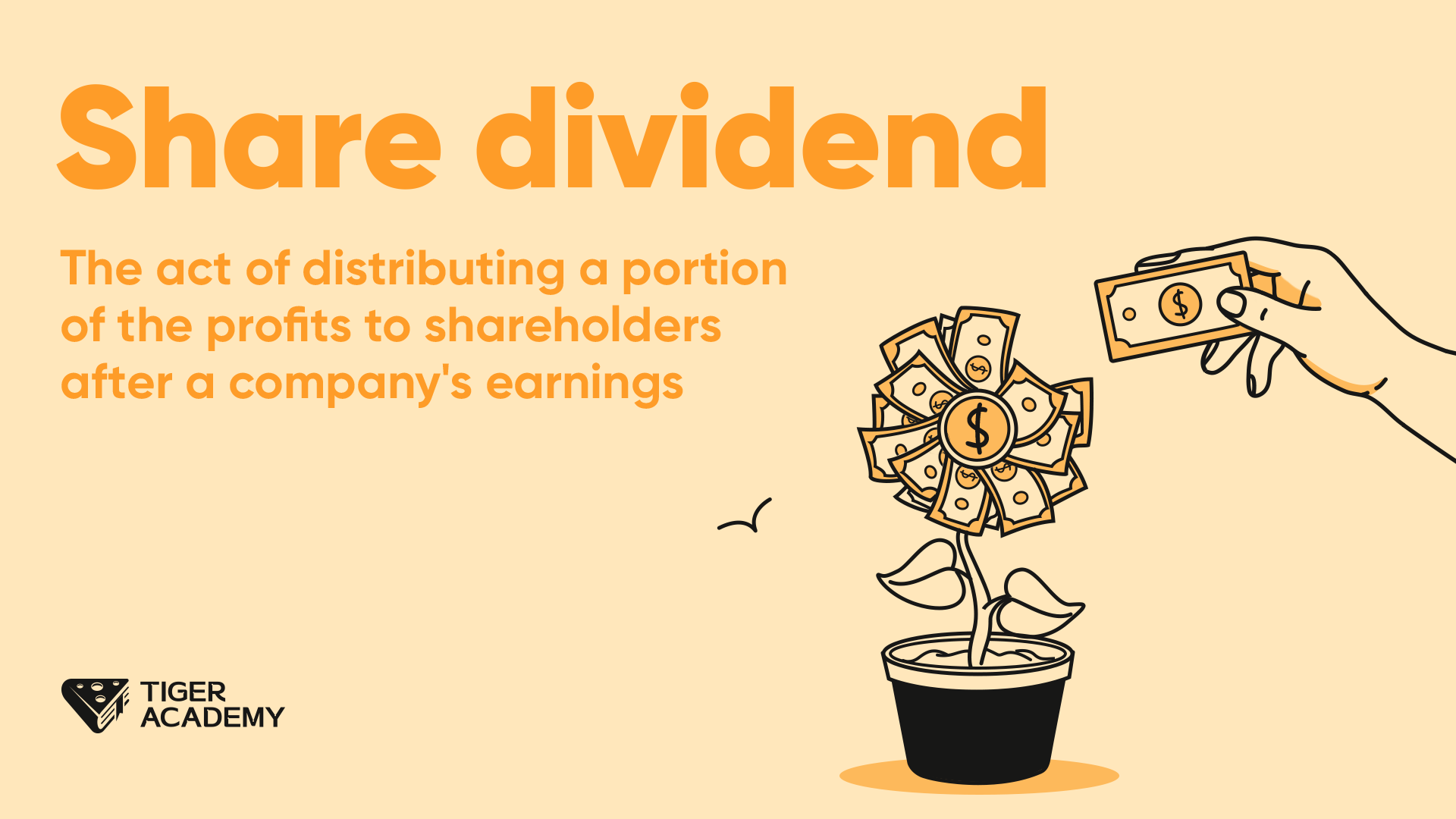
Day36.Share dividend
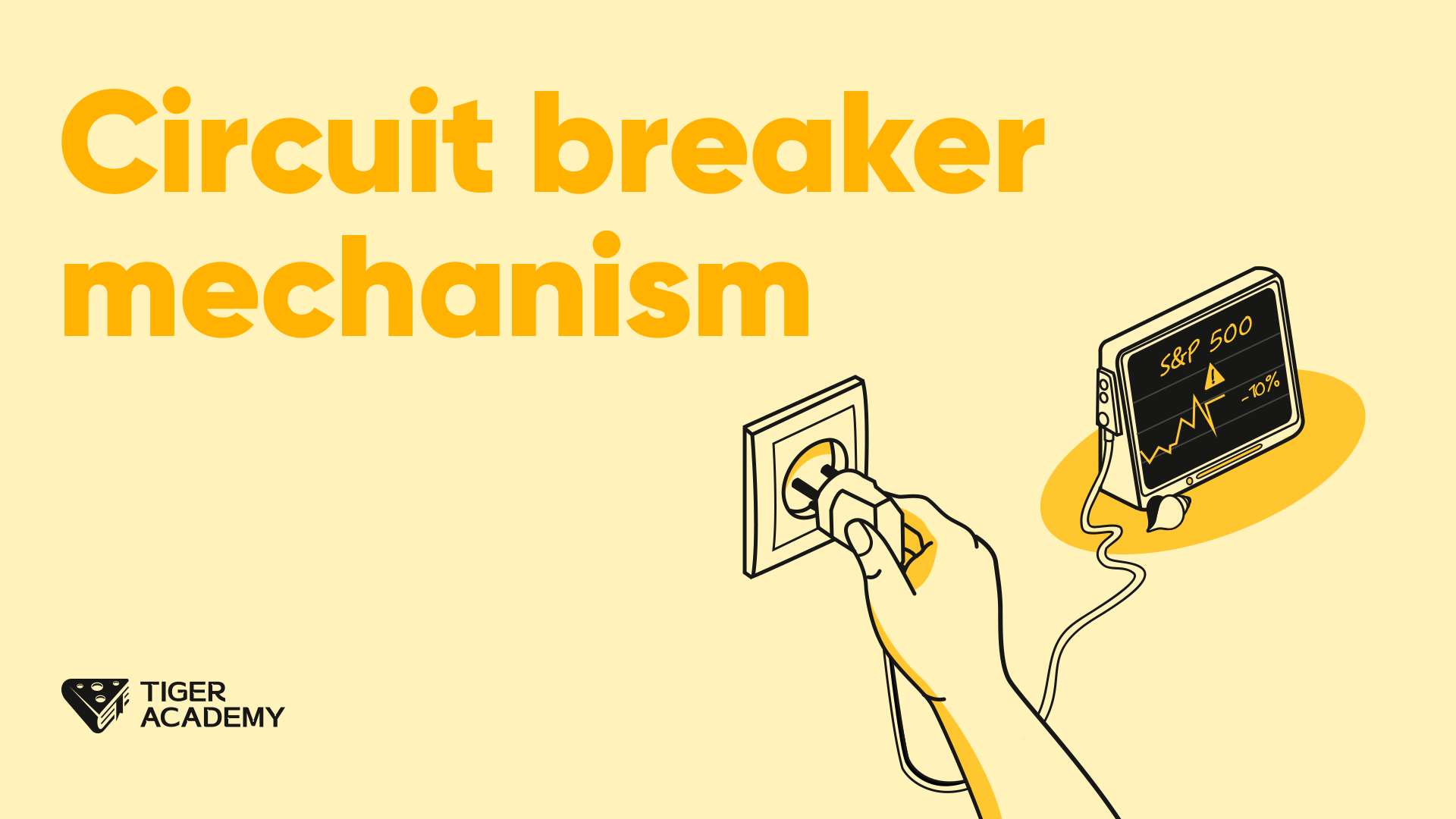
Day37.Circuit breaker mechanism
Day38.Total shares outstanding
Day39.Earnings Per Share
Day40.Earnings Per Share
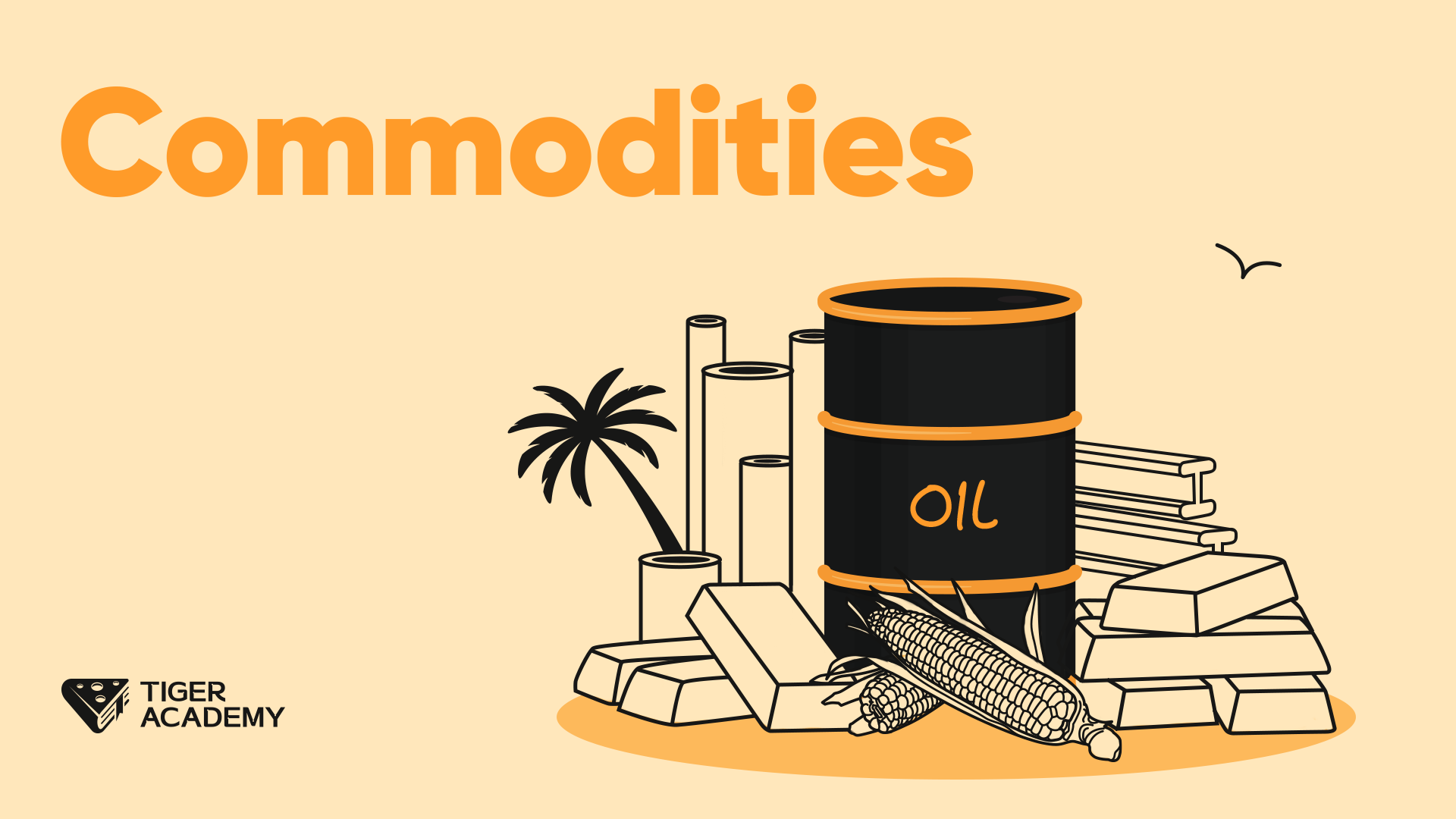
Day41. Commodities
Day41. Commodities
Day41. Commodities
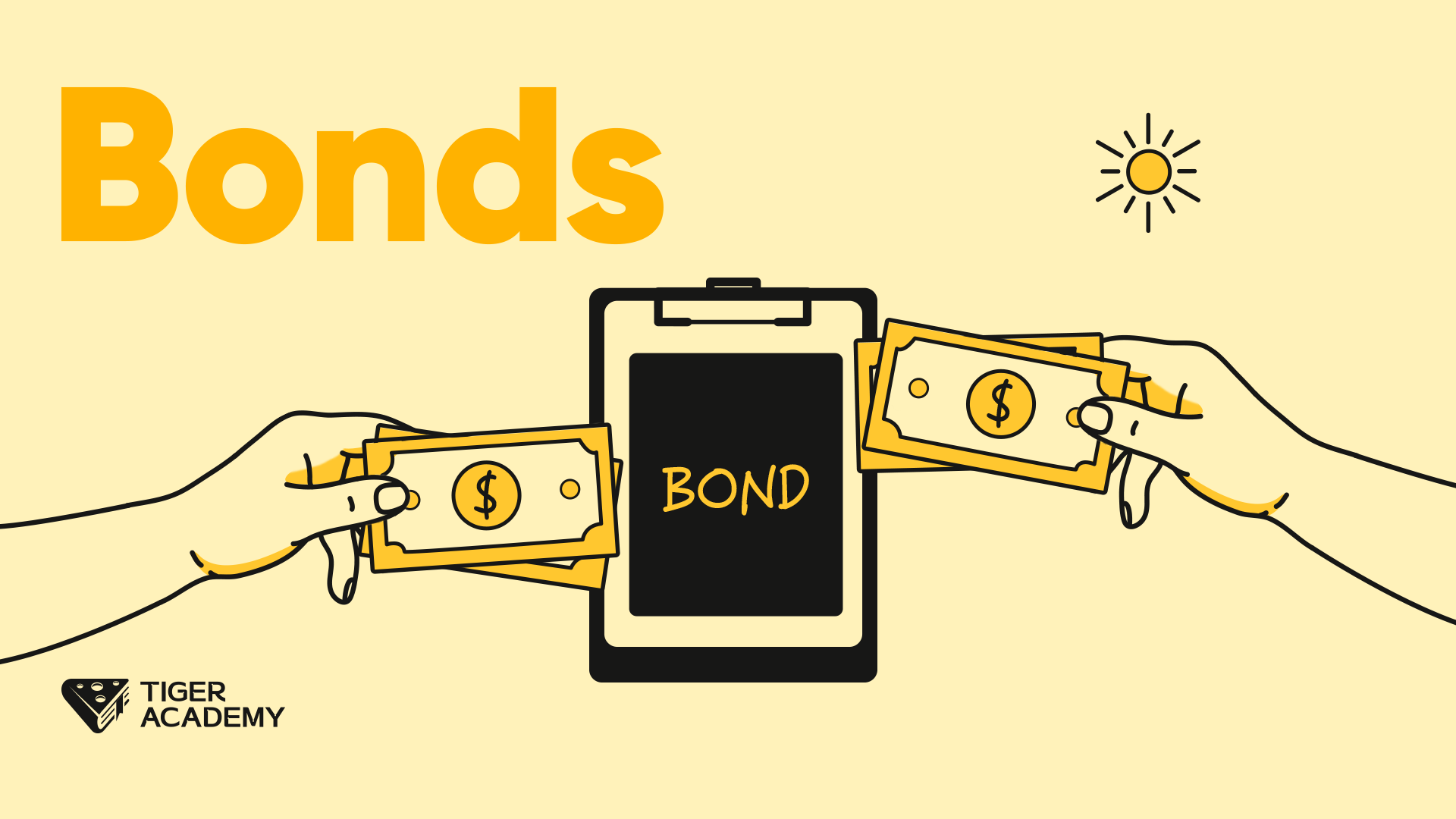
Day42. Bonds
Day42. Bonds
Day42. Bonds
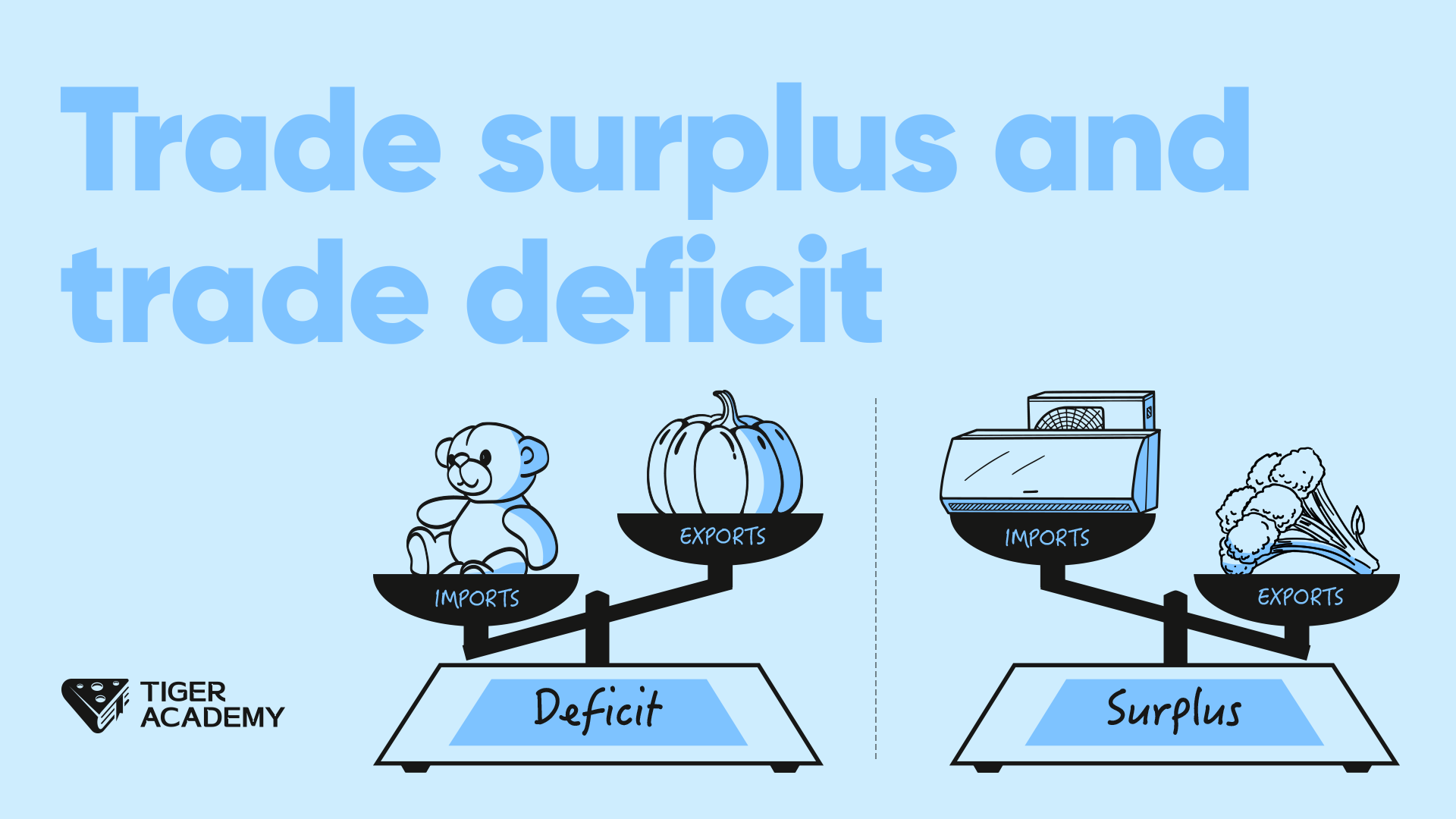
Day43. Trade surplus and trade deficit
Day44. GDP
Day44. GDP
Day44. GDP
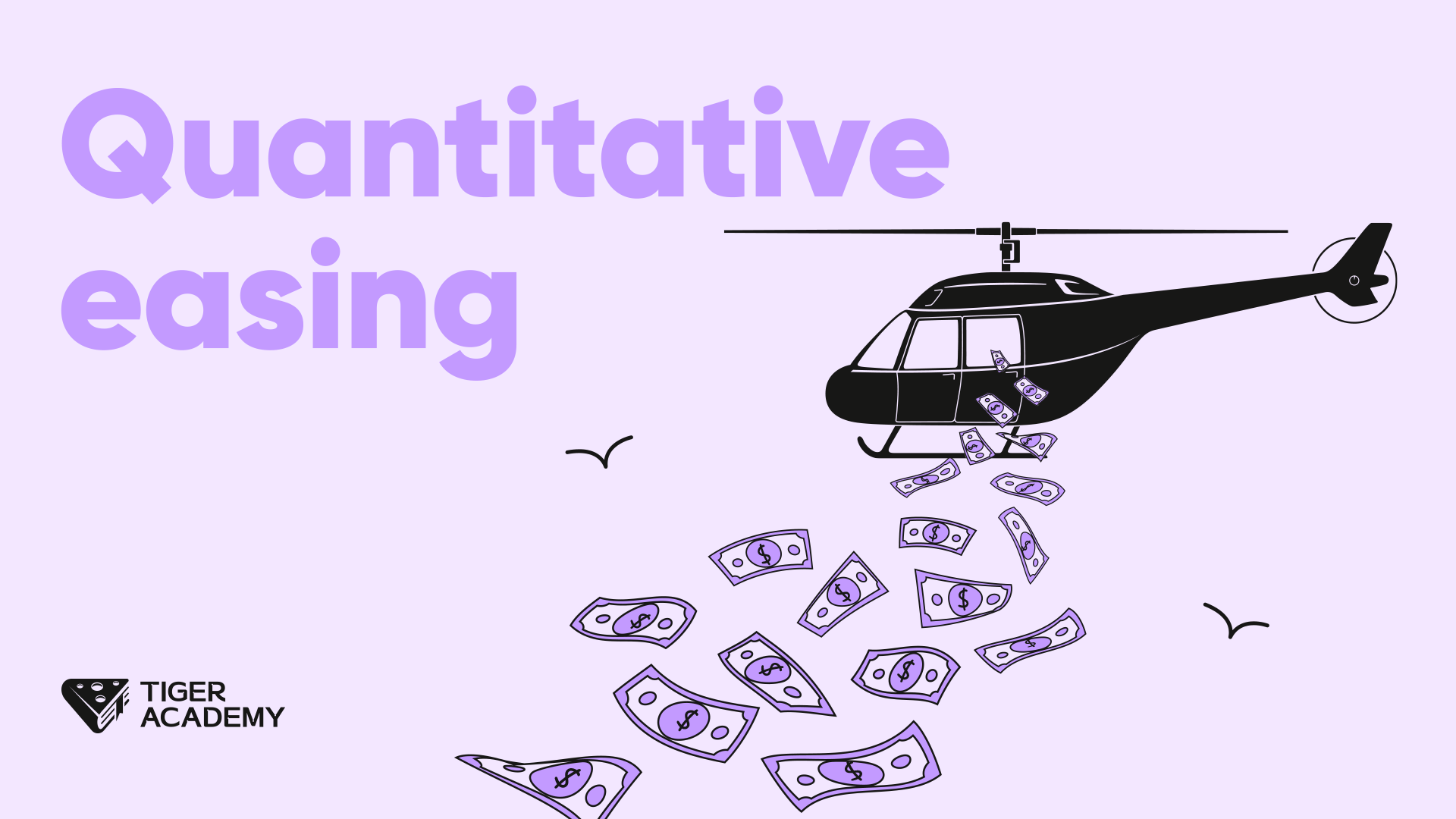
Day45. Quantitative Easing (QE)
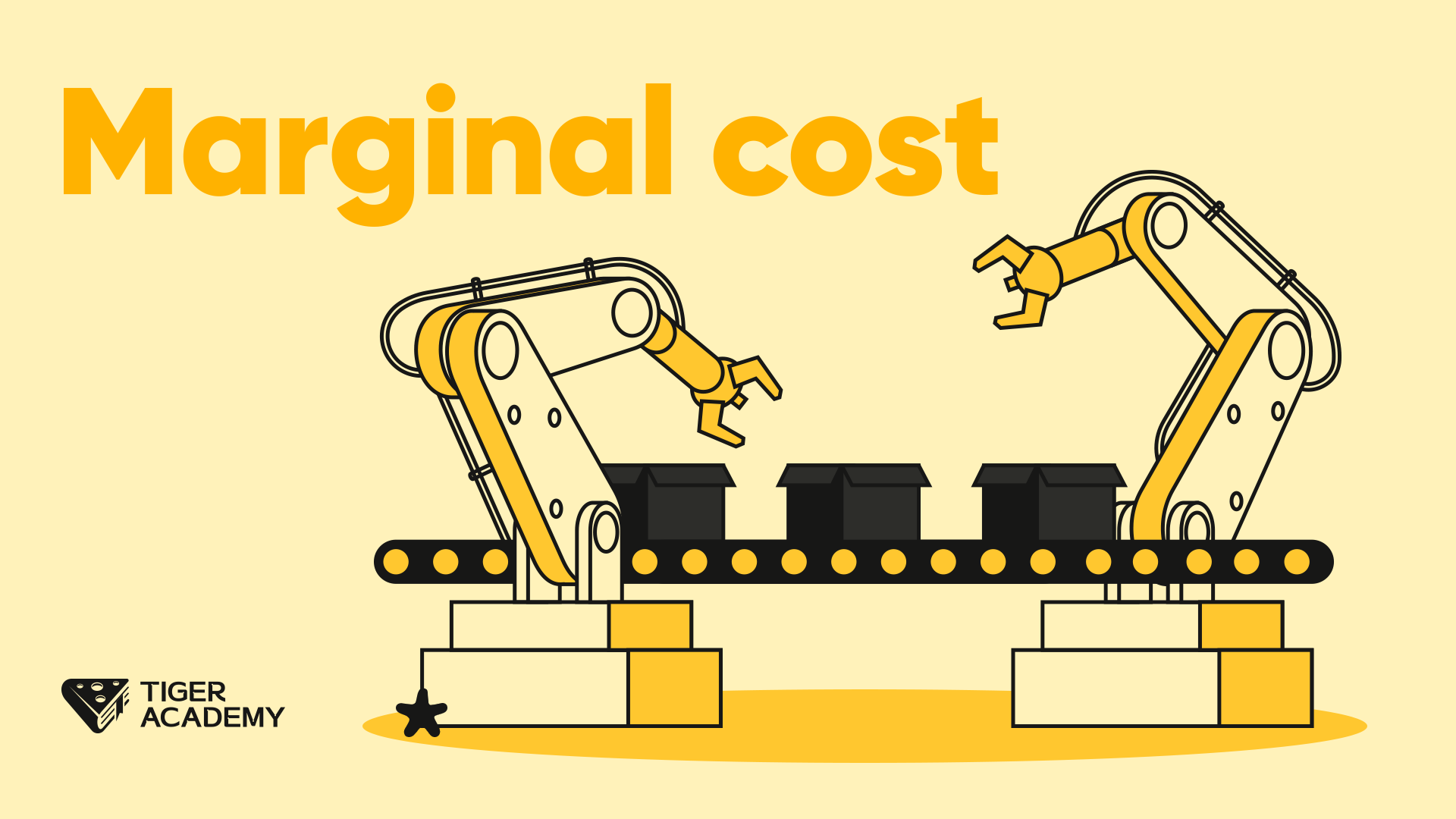
Day46. Marginal cost
Day47. IRR
Day47. IRR
Day47. IRR
Day48. Hedge funds
Day48. Hedge funds
Day48. Hedge funds
Day49. Mutual funds
Day49. Mutual funds
Day49. Mutual funds
Day50. Trust funds
Day50. Trust funds
Day50. Trust funds
Day51. NFT
Day51. NFT
Day51. NFT
Day52. Asset allocation
Day53. Blockchain
Day53. Blockchain
Day53. Blockchain
Day54. Margin
Day54. Margin
Day54. Margin
Day55. Securities margin trading
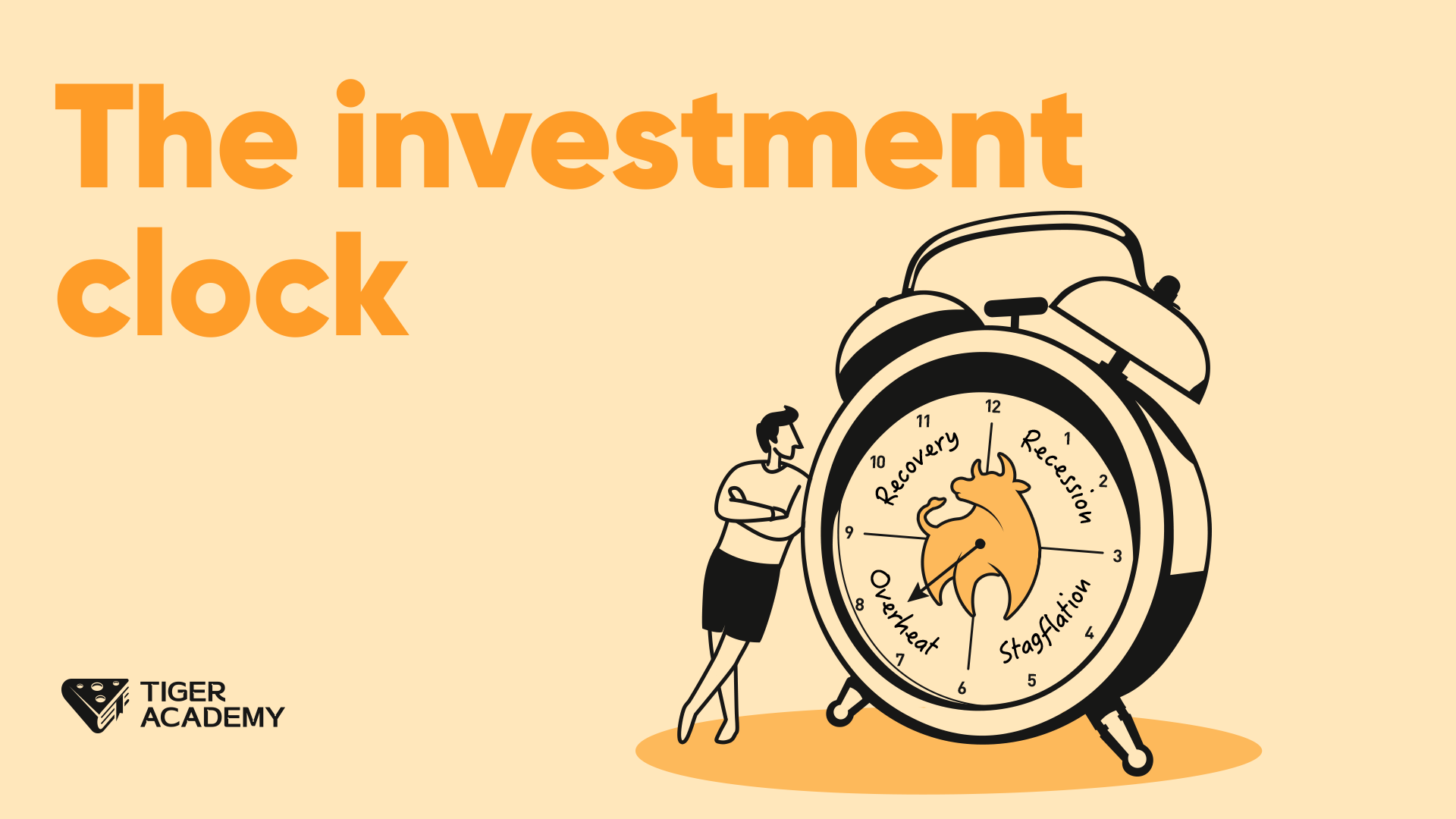
Day56. The investment clock
Day57. NFP
Day57. NFP
Day57. NFP
Day58. Private placement
Day59. Break-even point
Day60. Swing trading
Day61. Stock repurchase
Day62. Limit orders
Day62. Limit orders
Day62. Limit orders
Day63. Market orders
Day64. Stop-loss orders
Day65. SPAC
Day65. SPAC
Day65. SPAC
Day66. Delisting
Day66. Delisting
Day66. Delisting
Day67. OTC
Day67. OTC
Day67. OTC
Day68. Brokerages
Day68. Brokerages
Day68. Brokerages
Day69. What is the ESG?
Day70. Combination options