$NVDA 20261120 215.0 CALL$ 🐱 Blink Fans | Why I Sold an NVDA Covered Call – Collecting US$455 While Waiting for My Next Opportunity
My latest options trade: Selling the NVDA US$215 Call
I decided to sell one NVDA call option with a strike price of US$215 and an expiration date of 20 December 2026.
According to my trade record:
Trade details Information
Underlying NVIDIA (NVDA)
Strategy Sell covered call
Strike price US$215
Expiration 20 December 2026
Contracts 1
Premium received US$4.55
Gross premium US$455
Shares covered 100
My objective is straightforward: collect option premium while holding NVIDIA shares and potentially sell my shares at US$215 if the option is exercised.
I like NVIDIA as a long-term AI investment, but I also understand that technology stocks can experience considerable volatility. Rather than simply holding my shares and waiting for the next price movement, I want to use covered calls to generate additional income.
For me, options are not only about predicting whether a stock will rise or fall. They are also about managing my existing holdings and generating cash flow from positions I am comfortable owning.
1️⃣ Why am I making this trade now?
🐱 1. I want to collect premium while holding NVIDIA
NVIDIA is one of the most important companies in the artificial intelligence industry.
Its GPUs are widely used in AI training, data centres and high-performance computing. As companies continue investing in AI infrastructure, NVIDIA remains an important business to watch.
I am still interested in its long-term growth potential.
However, I don’t necessarily need to wait for the share price to rise before generating a return from my investment strategy.
This is where covered calls become useful.
By selling a call option against my 100 NVIDIA shares, I receive US$455 in gross premium upfront, before commissions and fees.
I am essentially agreeing to sell my shares at US$215 if the buyer exercises the option and the assignment conditions are met.
If NVIDIA remains below US$215 at expiration, the call may expire worthless, allowing me to keep the premium.
If NVIDIA rises above US$215, my shares may be called away at the strike price.
I am comfortable considering that outcome because I am receiving premium in exchange for agreeing to sell at a predetermined price.
💰 2. Why US$4.55 premium interests me
The premium is the main reason I like this trade.
One options contract represents 100 shares.
Therefore:
US$4.55 × 100 = US$455.
This is cash received from selling the option, although the position remains exposed to the risks of the underlying shares and the short call.
I like the idea of collecting premium without immediately selling my NVIDIA shares.
If the stock moves sideways, I can potentially benefit from the premium decay as the option approaches expiration.
If NVIDIA declines, the call premium provides a limited cushion against the loss on my shares. It does not eliminate the downside risk.
If NVIDIA rallies strongly, I may have to give up further gains above the effective selling price.
This is the trade-off I am accepting.
📊 3. My market outlook: Neutral to moderately bullish
When I sell a covered call, I am not necessarily bearish on NVIDIA.
My outlook is more neutral to moderately bullish over the duration of this option.
I believe NVIDIA could continue benefiting from AI infrastructure spending, but I also recognise that the share price may consolidate after periods of strong gains.
If the stock trades sideways or rises gradually, I can potentially benefit from the premium collected.
I don’t need NVIDIA to rally aggressively for this strategy to work.
The ideal situation is for the share price to remain below my US$215 strike price until expiration, allowing the call to expire worthless.
Of course, if NVIDIA experiences another major rally, I may have to sell my shares at US$215.
That is a decision I need to be comfortable with before entering the trade.
🐱 4. Why I selected the US$215 strike
Strike selection is important.
I don’t simply sell whichever call offers the highest premium.
I want to select a strike price that represents an acceptable selling price for my NVIDIA shares.
My effective selling price, including the premium, is:
US$215 + US$4.55 = US$219.55 per share.
This means that if my shares are called away at US$215, I have also received US$4.55 per share in option premium.
The actual overall profit will depend on my original share purchase cost and transaction fees.
If I am comfortable selling NVIDIA around this effective price, the trade fits my strategy.
💡 5. Time decay works in my favour
Options have a time value that generally decreases as expiration approaches, assuming other factors remain unchanged.
My option expires on 20 December 2026.
As time passes, I will monitor how much value remains in the short call.
If NVIDIA stays below US$215 and the option premium declines significantly, I may consider buying back the contract to close it and locking in some of the premium.
I don’t necessarily need to wait until expiration.
This is one advantage of actively managing options rather than simply leaving every contract untouched.
The Options Industry Council explains that time decay generally benefits covered-call sellers, while strong share-price rallies can create assignment risk. optionseducation.org +1
2️⃣ What’s my plan from here?
🎯 Scenario 1: NVIDIA stays below US$215
This is my preferred scenario if I want to retain my shares.
If NVIDIA remains below US$215 as expiration approaches, the call may lose value.
I can consider buying back the option at a lower price or allowing it to expire worthless.
If it expires worthless, I retain my shares and the US$455 gross premium.
I can then consider selling another covered call if the market conditions remain suitable.
This is how I intend to use options to generate additional income from stocks I am comfortable holding.
🎯 Scenario 2: NVIDIA moves towards US$215
If NVIDIA starts approaching US$215, I will pay closer attention.
I have two choices.
Option A: Allow assignment
If I am happy to sell my 100 shares at US$215, I can allow assignment.
I would receive the strike price for my shares and retain the option premium.
I can then use the cash to look for another investment opportunity.
Option B: Roll the covered call
If I still want to hold NVIDIA, I can consider buying back my existing call and selling another call with a later expiration or higher strike.
However, rolling is not free money. It involves closing the existing option and opening a new position, with its own costs and risks.
I will compare the debit or credit and the new obligation before deciding.
🎯 Scenario 3: NVIDIA rallies strongly above US$215
This is where I need to be disciplined.
If NVIDIA rallies significantly, my covered call will become more expensive to buy back.
I must remember that I have already agreed to sell at US$215 if assigned.
I should not automatically roll just because I regret missing further upside.
Sometimes taking assignment and moving on is the better decision.
🎯 Scenario 4: NVIDIA falls significantly
If NVIDIA declines, my call option may become cheaper and potentially expire worthless.
However, I must not confuse a profitable option position with a profitable overall investment.
For example, collecting US$455 does not protect me completely if my 100 NVIDIA shares lose substantial value.
The premium provides only a limited downside cushion.
I will continue monitoring earnings, AI spending, data-centre demand and broader technology market conditions.
If the long-term investment thesis changes, I may reconsider whether I want to continue holding the shares.
🐱 My options management checklist
What I monitor My action
NVDA below US$215 Monitor option decay
Option premium falls Consider buying back
NVDA approaches US$215 Assess assignment
NVDA rises strongly Consider assignment or rolling
NVDA falls sharply Reassess underlying shares
Expiration approaches Review position and exercise risk
🐱 Blink Fans Conclusion: Let my shares work harder
My decision to sell the NVIDIA US$215 covered call is about generating additional income from shares I already hold.
I collected US$455 in gross premium by agreeing to sell 100 shares at US$215 if assigned.
I remain interested in NVIDIA because of its position in the AI industry, but I don’t expect the share price to rise continuously.
There will be periods of consolidation, volatility and market corrections.
Instead of simply waiting for the next rally, I prefer to use covered calls when I am comfortable with the strike price and the possibility of selling my shares.
My strategy is not to maximise premium at all costs.
I want to balance three things:
* Collect option premium.
* Retain my shares if the call expires worthless.
* Accept assignment if the effective selling price is attractive.
My philosophy is simple: I don’t just want my stocks to appreciate. I also want to explore ways to generate income while holding them.
🐱 Collect premium, manage risk and stay disciplined.
Disclaimer: This is my personal trading strategy, not financial advice. This analysis assumes I own at least 100 NVDA shares to cover the one short call.
Useful reading: Options Industry Council – Covered Call Strategy · Charles Schwab – Covered Calls and Assignment Risk$NVDA 20261120 215.0 CALL$ 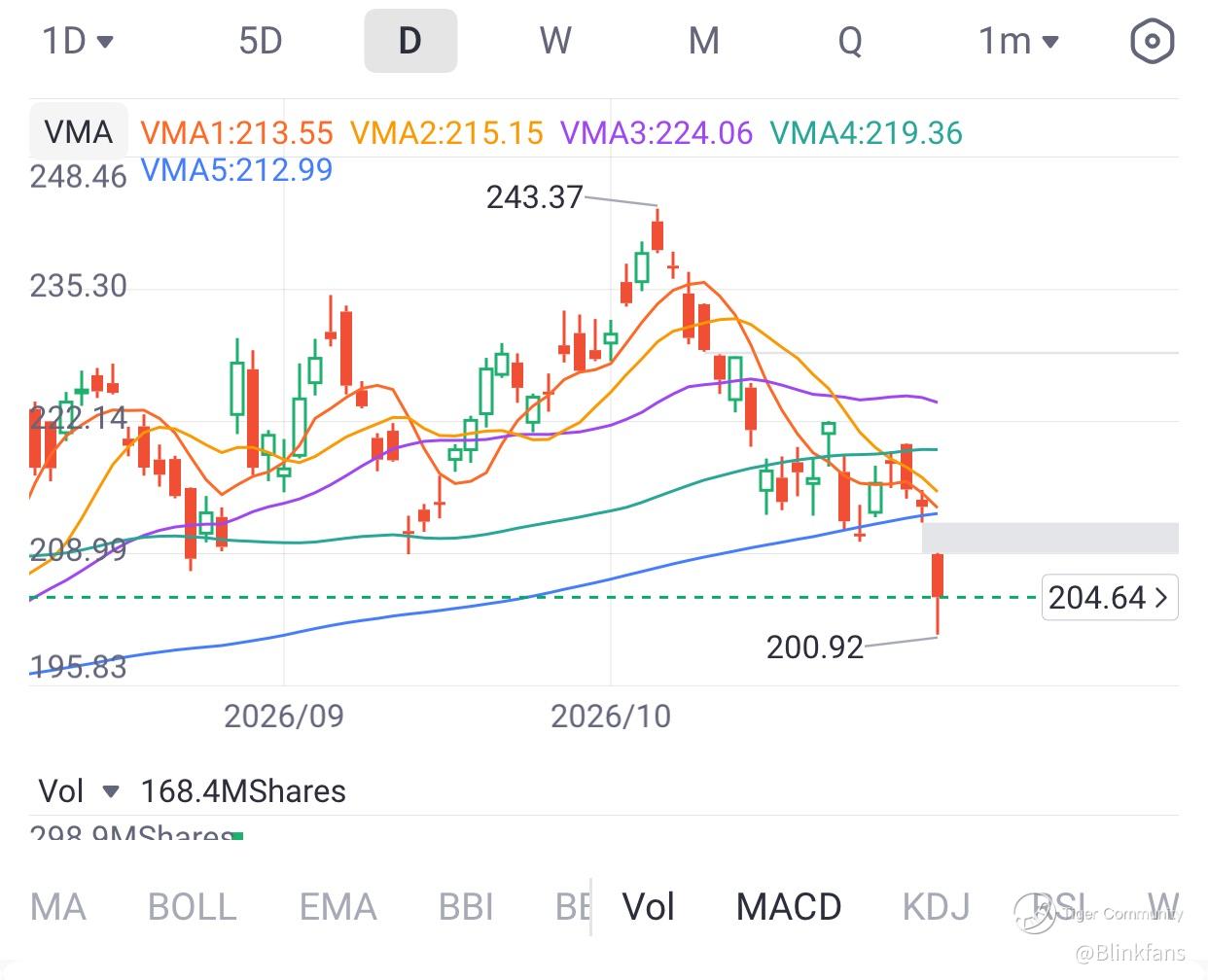

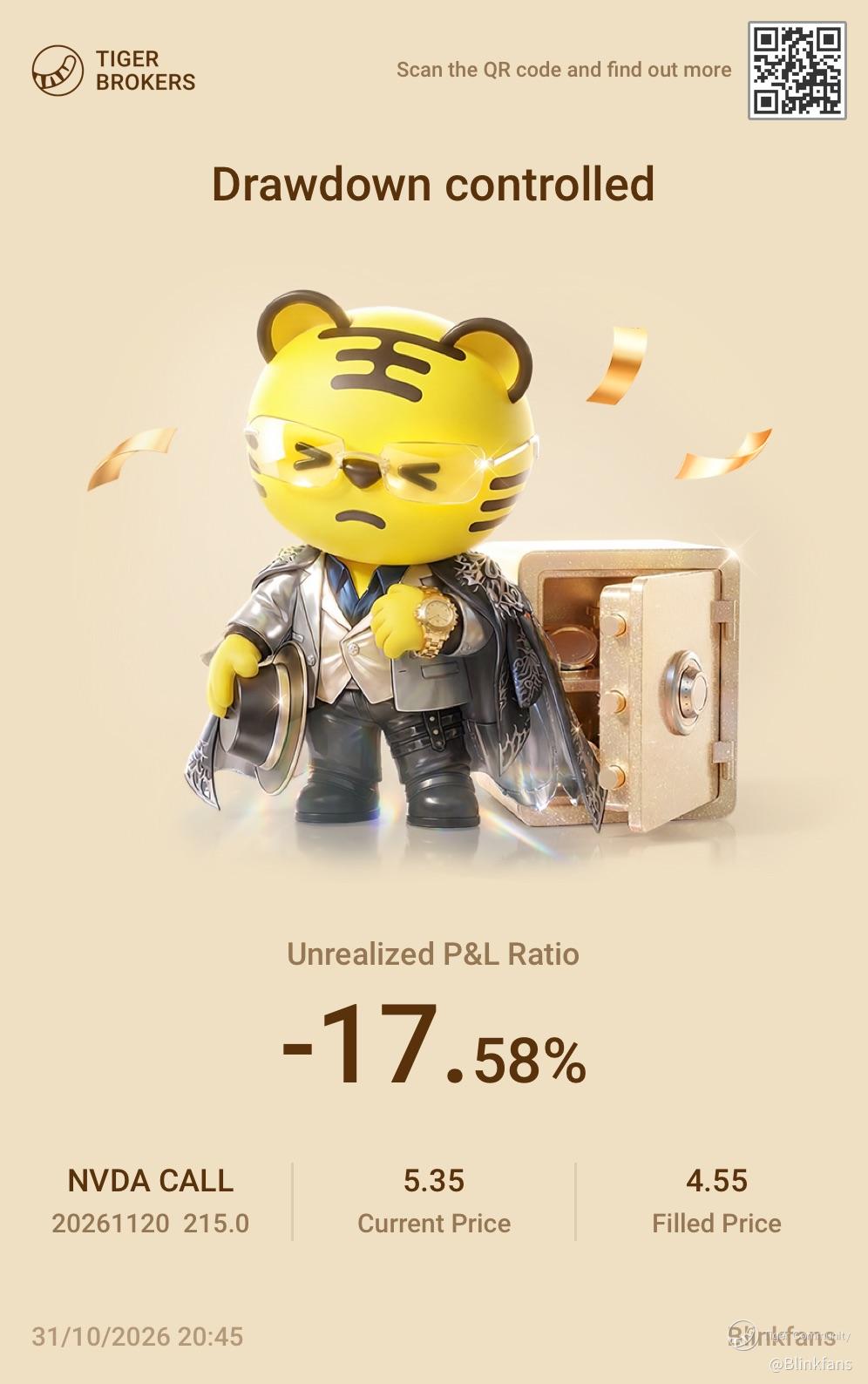
| Side | Price | Filled | Realized P&L |
|---|
| Sell Open | 4.55 1Lot(s) | -3.51% Holding |
Disclaimer: Investing carries risk. This is not financial advice. The above content should not be regarded as an offer, recommendation, or solicitation on acquiring or disposing of any financial products, any associated discussions, comments, or posts by author or other users should not be considered as such either. It is solely for general information purpose only, which does not consider your own investment objectives, financial situations or needs. TTM assumes no responsibility or warranty for the accuracy and completeness of the information, investors should do their own research and may seek professional advice before investing.


